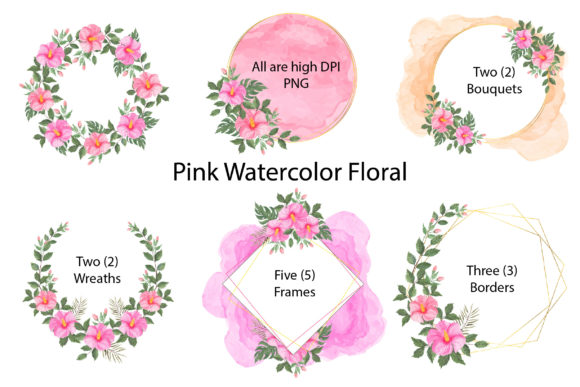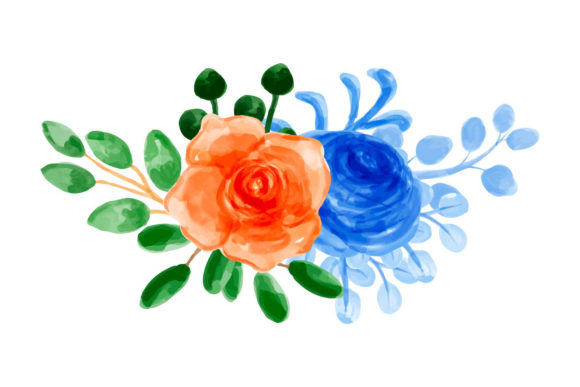
Floral Arrangement with Watercolor: A Practical Guide
Floral arrangement with watercolor is a creative discipline that merges the principles of botanical design with the fluid, expressive techniques of watercolor painting. It involves the artistic composition of flowers, leaves, and other natural elements, often guided by the aesthetic sensibilities and color harmonies found in watercolor art. This approach can manifest in physical floral designs inspired by painterly styles or in digital and printed assets, such as seamless patterns and illustrations, that utilize watercolor textures to depict floral subjects. The resulting work bridges the gap between traditional floristry and fine art, offering a unique blend of organic form and artistic interpretation.
Evaluating Interest in Floral Arrangement with Watercolor
Several key reasons might draw someone to explore floral arrangement with watercolor. For artists and illustrators, it presents a way to expand their repertoire by integrating natural subjects with a beloved medium, creating assets like seamless patterns for design projects. For florists and event planners, it can serve as a source of inspiration, providing novel color palettes and compositional ideas that break from conventional floral design rules. Educators and hobbyists may find it a fulfilling interdisciplinary study, combining botany with art technique. Furthermore, brands and marketers often seek this aesthetic for its soft, elegant, and timeless quality, which can enhance product packaging, website backgrounds, or promotional materials with a distinctive visual texture.
Benefits and Practical Outcomes
Engaging with floral arrangement with watercolor offers distinct benefits. The watercolor element introduces a sense of softness, translucency, and organic imperfection that can make floral designs feel more artistic and less rigid. This can be particularly valuable in digital applications where a high-resolution, seamless pattern with a transparent background provides maximum versatility for overlays and layouts. From a creative standpoint, it encourages a focus on color blending and natural light, skills transferable to both painting and physical arranging. Practically, mastering this hybrid style can lead to the creation of marketable digital assets or the ability to offer unique, art-inspired floral services for events.
Tradeoffs and Key Considerations
As with any specialized approach, there are tradeoffs to consider. The watercolor aesthetic, while beautiful, may not suit projects requiring bold, graphic, or hyper-realistic visuals. Its inherent softness could be a limitation for brands seeking a sharp, modern identity. The learning curve can be steep, requiring competence in both floral composition and watercolor techniques—whether actual painting or digital simulation. For those focused on physical floral arrangement, directly replicating the washed, blended look of watercolor with real flowers can be challenging and may involve careful selection of bloom types and colors. There is also a consideration of time and resource investment: creating high-quality, seamless floral arrangement with watercolor patterns at 300 DPI requires significant artistic effort and suitable software.
Situations Where It Is a Strong Fit
Floral arrangement with watercolor is an excellent choice in specific scenarios. It aligns perfectly with projects demanding an elegant, romantic, or whimsical tone. This includes wedding branding, boutique product labels, interior design mood boards, and stationery design. For individuals creating digital content, such as bloggers or social media managers, using these patterns as backgrounds can elevate visual consistency. In educational contexts, it serves as a superb method to teach color theory and natural form simultaneously. Furthermore, for artists looking to sell digital prints or licenses for their work, a well-executed seamless floral arrangement with watercolor pattern in JPG and PNG formats meets a common commercial need for versatile, high-resolution artwork.
When to Consider Alternatives
It is prudent to evaluate alternatives when the core characteristics of floral arrangement with watercolor do not match project goals. If the requirement is for crisp, vector-based graphics that scale infinitely without texture, a traditional vector floral illustration might be more suitable. For physical event floristry where a bold, structural, or monochromatic look is desired, contemporary or minimalist floral design styles would be stronger alternatives. In fast-paced commercial applications where a very specific, recognizable brand aesthetic is key, a more custom and controlled graphic design approach may outperform the organic variability of a watercolor style. Essentially, if the priorities are maximum clarity, rigid scalability, or a stark modern feel, other paths should be explored.
Practical Decision-Making Insights
To determine if floral arrangement with watercolor aligns with your needs, start by auditing your project's visual requirements. Ask: Is softness and artistic texture a benefit or a drawback? Do I need the asset to be seamlessly repeatable? Is the primary output digital (like a web background) or physical (like an actual flower arrangement)? For digital use, confirm the technical needs: a JPG with white background for simple placement, and a PNG with transparent background for layered designs. Assess your own skills or resources: can you create or commission this work at the necessary 300 DPI quality? Finally, review the emotional tone: this style often evokes nostalgia, calm, and natural beauty. If those resonate with your audience's expectations or your personal artistic goals, then floral arrangement with watercolor is likely a coherent and valuable direction to pursue.
Ultimately, floral arrangement with watercolor represents a niche where art and nature converge. Its value lies not just in the final image or arrangement, but in the process of interpreting floral beauty through a specific painterly lens. By objectively weighing its expressive benefits against its practical limitations, you can make an informed decision about integrating this distinctive aesthetic into your creative or professional work.