The Artful Use of Hand Drawn Spring Flower Elements in Your Projects
When spring arrives, it brings an undeniable sense of renewal and creativity. For designers, marketers, educators, and crafters, capturing that fresh, blossoming energy visually can be a challenge. This is where a thoughtfully curated collection of Spring Flower Decorative Floral Elements becomes not just an asset, but a secret weapon. These collections, often provided as comprehensive ZIP files containing EPS, JPG, PNG, and SVG formats, are more than just pretty pictures; they are versatile tools for elevating your work. However, the ease of downloading such a pack can lead to rushed decisions and suboptimal results. Understanding what you're really getting and how to use it effectively is key to making these resources work for you, not against you.
Overlooking File Format Compatibility and Quality
A common, costly mistake is treating every file in a Spring Flower Decorative Floral Elements collection as equal. The excitement of a new download often leads to simply grabbing the first JPG file and dropping it into a project. This approach ignores the fundamental strengths of each format, which directly impacts your final output's quality and your own efficiency. For instance, using a low-resolution JPG for a large print banner will result in a pixelated, blurry image that undermines your professional presentation. Conversely, using a complex EPS file for a simple web graphic adds unnecessary processing time and file size.
The better approach is to understand the role of each format. SVG files are scalable vector graphics—they can be resized infinitely without quality loss and are perfect for web design, app interfaces, or any project requiring crisp scaling. PNG files offer transparency support, ideal for overlays on varied backgrounds in social media posts or digital presentations. EPS files are industry-standard vectors for professional print and large-scale production, while JPGs serve as quick-reference previews or for use in contexts where small file size is paramount. Before you even start a project, scan the ZIP folder and identify which format best suits your end goal. This simple pre-check saves hours of rework and ensures the floral elements enhance, rather than degrade, your work's quality.
The Pitfall of Generic Application Without Customization
Another frequent oversight is using these beautiful hand drawn flat spring flower elements as-is, without any adaptation to your specific brand or message. While the elements are designed to be decorative, slapping them onto a website, brochure, or product without consideration for color harmony, style alignment, or compositional balance creates a disjointed feel. It makes the design look "stock" or templated, which can erode audience trust and make your communication feel less authentic.
Practical advice here is to treat the elements as a foundational palette, not a final solution. Use the SVG or EPS files in a program like Adobe Illustrator, Inkscape, or Affinity Designer to modify colors to match your brand palette. Isolate individual flowers from clusters to create unique patterns or focal points. Adjust line weights if possible. For a small business owner creating spring sale materials, this means taking a floral wreath element and recoloring its blossoms to match the company's logo hues, creating a cohesive brand experience. For a blogger, it might mean extracting a single bud to use as a recurring icon throughout a post series. This level of customization transforms a generic resource into a bespoke design asset.
Ignoring License Terms and Usage Rights
In the rush to complete a project, many users, especially entrepreneurs and freelancers, skip reading the license terms associated with a Spring Flower Decorative Floral Elements collection. Assuming "download equals ownership" can lead to serious legal and financial repercussions. Some collections are for personal use only, others require attribution, and some may have restrictions on commercial print runs or resale.
The corrective step is non-negotiable: always locate and review the license document within the ZIP file or on the source download page before using any element. Look for key terms like "Commercial Use," "Personal Use," "Attribution Required," or "Royalty-Free." If you're creating marketing materials for a client, you need a commercial license. If you're an educator making classroom materials, check if distribution is allowed. This due diligence protects your project from being derailed and maintains your professional integrity. It’s a simple habit that prevents complex problems.
Failing to Assess Artistic Cohesion and Style
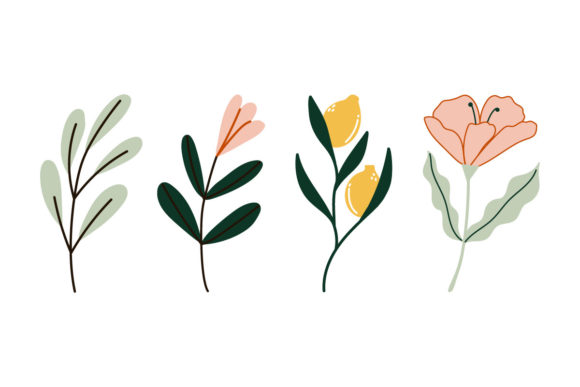
Not all hand drawn styles are the same. A significant misunderstanding is that any floral element will fit any "spring" theme. Collections vary widely in artistic style—some are minimalist and linear, others are lush and detailed, some are playful and cartoonish, others are elegant and realistic. Choosing a collection based solely on the keyword "spring flower" without evaluating its artistic voice against your project's tone is a common error. A detailed, realistic floral border might clash horribly with a modern, minimalist tech blog's aesthetic, creating visual confusion rather than enhancement.
Before downloading or purchasing, critically examine the preview images. Ask yourself: Does this hand drawn style complement my existing brand materials? Will it resonate with my target audience? A professional marketing agency targeting luxury brands should seek elegant, refined line work, while a hobbyist creating party invitations might prefer a more whimsical, colorful set. This evaluation ensures the decorative elements feel like a natural extension of your work, strengthening communication and viewer satisfaction.
Underutilizing the Versatility of Vector Formats
Many beginners and even seasoned professionals default to using the raster image files (JPG, PNG) because they seem easier to place. This overlooks the immense power and flexibility of the vector files (EPS, SVG) included in a quality Spring Flower Decorative Floral Elements collection. Vectors are not just for print; they are for creative modification. Because they are made of paths and points, you can disassemble, recompose, and edit them.
A better approach is to embrace the vector formats for any project where adaptation might be needed. For example, an entrepreneur creating a product label might use the EPS file to remove an unwanted leaf, combine two flower designs into a new logo, or change the stroke thickness to better print on a specific material. A digital content creator can use SVG files to animate individual petals for a web banner using CSS. By learning basic vector manipulation skills—or partnering with a designer who possesses them—you unlock the full potential of the collection, moving from static use to dynamic creation. This maximizes your return on the resource and fosters unique outcomes.
Neglecting Organization and File Management
Finally, a logistical mistake that hampers efficiency is downloading the ZIP, extracting it into a chaotic folder, and then struggling to find the right file weeks later. A collection of Spring Flower Decorative Floral Elements contains multiple files across multiple formats. Without a simple system, you waste time searching and risk using outdated or incorrect versions in future projects.
The solution is immediate and practical: upon extraction, organize the files. Create folders named "SVG," "EPS," "PNG_for_Web," "JPG_Preview." Alternatively, organize by element type: "Single Blooms," "Wreaths," "Borders," "Backgrounds." This small investment of five minutes at the outset saves countless minutes later and makes the collection a true, ready-to-use asset. It turns a digital bundle into a well-organized toolkit, empowering you to work quickly and confidently whenever that springtime creative need arises.
Ultimately, a hand drawn flat spring flower decorative floral elements collection is a tremendous resource. By avoiding these common pitfalls—from technical format missteps to artistic misalignment—you ensure that these botanical graphics blossom fully within your work. They become not just decoration, but integrated, effective components of your storytelling, branding, and design, helping you communicate the vitality and freshness of spring with clarity and professional polish.